









For cabin cruiser owners who rely on their refrigeration system while anchoring out or cruising off-grid, proper system performance is all about reliability. A well-functioning marine refrigeration system keeps food safe, reduces power consumption, and prevents unnecessary wear on critical components such as compressors and condensers.
Charging refrigerant is one part of maintaining that performance, but it’s also one of the most misunderstood aspects of marine refrigeration. This guide explains how refrigerant charging works, which tools are required, and when charging alone isn’t sufficient to resolve cooling issues.
Understanding Refrigerant Charging in Marine Systems
Marine refrigeration systems operate as sealed, closed-loop systems designed to circulate refrigerant continuously. Under normal conditions, refrigerant does not get “used up.” If levels are low, it usually indicates a leak or a component issue rather than routine depletion.
For cruising boats, this distinction matters. Unlike residential systems, marine refrigeration operates in tight spaces, high humidity, constant motion, and fluctuating power conditions. These factors place added stress on fittings, hoses, and seals over time.
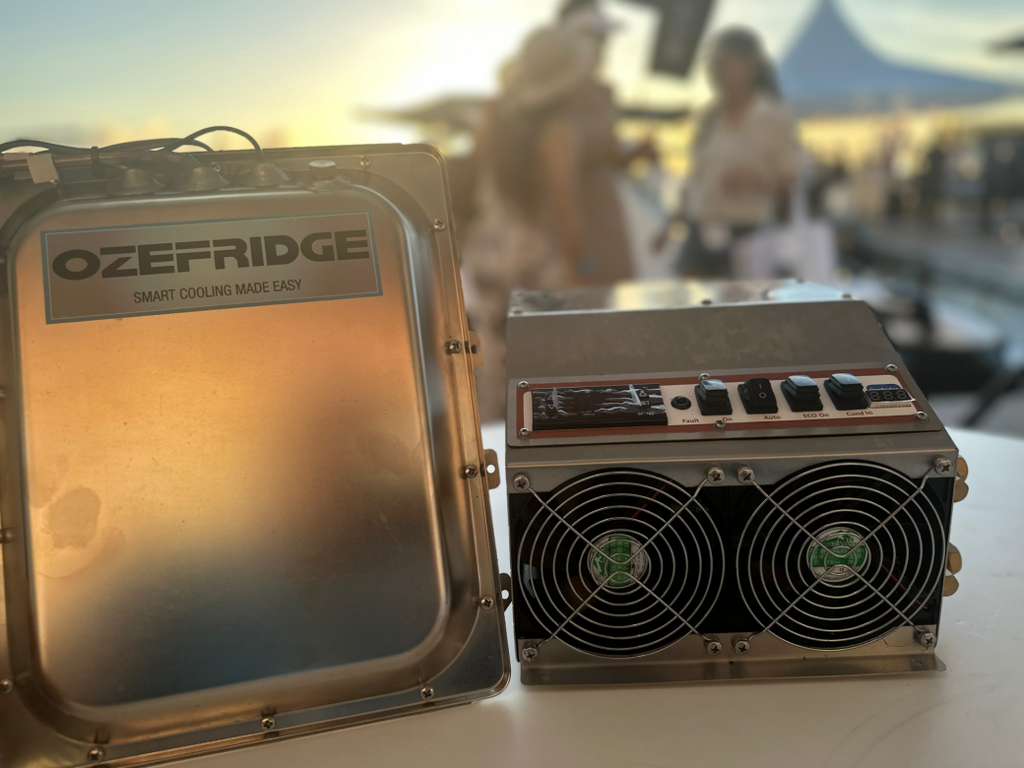
Many modern systems, especially high-efficiency units commonly found on cruising sailboats and powerboats, are engineered to minimize service needs. Systems like OzeFridge marine refrigeration equipment are designed for efficiency and longevity, making proper diagnostics as important as refrigerant levels.
Tools Needed for Charging a Marine Refrigeration System
Properly charging refrigerant requires more than just adding refrigerant to the system. Accurate tools and system knowledge are essential to avoid damage and inefficiency.
Typical tools include:
- Refrigerant gauges matched to the specific refrigerant type
- Manufacturer-approved refrigerant
- A vacuum pump to remove air and moisture
- Leak detection equipment
- Personal safety gear
For off-grid cruisers, improper charging can increase electrical draw, forcing generators or battery systems to work harder than necessary. Overcharging is particularly problematic in marine environments, as it increases operating pressure and compressor temperature, often shortening system lifespan.
This is why many boat owners choose to have their systems evaluated by marine specialists familiar with refrigeration systems on cruising vessels, rather than by general HVAC technicians.
Step-by-Step Charging Process
How to Charge Refrigerant in a Refrigeration System on a Boat
Charging refrigerant in a marine environment is a precise process that should always follow the manufacturer’s specifications. While system designs vary, the general steps include:
- Confirm system diagnosis: Poor cooling can be caused by airflow restrictions, electrical issues, or condenser fouling, not just refrigerant levels.
- Inspect for leaks: Adding refrigerant without resolving them only provides temporary relief.
- Recover existing refrigerant: Remaining refrigerant must be safely removed before recharging.
- Evacuate the system: A deep vacuum removes moisture and air that can cause internal corrosion or ice formation.
- Recharge to specification: Refrigerant is added gradually, measured by weight or pressure, depending on system design.
- Verify performance: Pressures, temperatures, and run cycles are monitored to confirm correct operation.
This process ensures the system operates efficiently without placing unnecessary strain on onboard power systems, an especially important consideration for cruisers who spend long periods away from shore power.
Replacing or Servicing a Marine AC Compressor
Refrigerant charging alone won’t resolve all cooling issues. If a compressor is worn, overheating, or mechanically failing, continued charging may actually worsen the problem.
How to Charge a Refrigeration System When Compressor Health Matters
When compressors lose efficiency, they often draw more power while delivering less cooling. This can be subtle at first, but it becomes increasingly noticeable for off-grid boaters managing battery capacity and generator runtime.
In these cases, servicing or replacing the compressor may be the most cost-effective long-term solution. Selecting the correct compressor involves matching capacity, refrigerant type, electrical requirements, and physical space constraints, all of which vary significantly across cruising boats.
At Cruiser Services, we work directly with boat owners to assess whether a system can be serviced or a replacement is the smarter option, ensuring compatibility with existing refrigeration components and onboard electrical systems.
When Charging Isn’t the Complete Solution
Refrigerant charging is just one aspect of system performance. Other common issues affecting marine refrigeration include:
- Poor ventilation around condensers
- Fouled seawater cooling circuits
- Electrical voltage drops
- Aging hoses or fittings
Addressing these issues holistically often delivers better results than focusing on refrigerant alone. Many cruisers discover that once airflow and electrical supply are optimized, refrigeration performance improves without additional charging.
Boat owners exploring system upgrades or troubleshooting ongoing performance issues often find it helpful to review the broader range of marine systems supported through the Cruiser Services website, where refrigeration, air conditioning, and power management solutions are addressed together rather than in isolation.
Planning for Performance and System Longevity
For cabin cruisers living an off-grid lifestyle, refrigeration reliability directly impacts comfort, safety, and energy management. While understanding charging fundamentals is valuable, refrigerant work should always be approached carefully and with respect for the system’s design limits.
If your refrigeration system struggles to maintain temperature, runs longer than usual, or draws more power than expected, a professional evaluation can prevent more serious failures down the line. Whether you need diagnostics, refrigerant service, or guidance on compressor replacement, working with marine specialists ensures your system is optimized for real-world cruising conditions.
If you’re unsure whether your system needs charging, servicing, or a deeper evaluation, getting input from experienced marine professionals can prevent costly mistakes. At Cruiser Services, we offer practical, cruise-tested support tailored to your boat and onboard systems. Contact us today to discuss your system’s needs.


