










Maintaining a reliable marine refrigerator and freezer is a cornerstone of independent cruising and off-grid living. This guide provides a comprehensive technical overview of marine refrigeration systems, focusing on the critical role of the compressor in both food storage and onboard air conditioning. We explore how these specialized units differ from residential appliances, emphasizing their need for high energy efficiency, vibration resistance, and superior heat dissipation in harsh saltwater environments.
From the internal mechanics of a marine AC compressor to the precise protocols for refrigerant charging, the following sections offer actionable insights for boat owners. You will learn to identify early warning signs of compressor failure, troubleshoot power draw issues, and optimize your system’s performance to protect your battery bank. Whether you are performing routine maintenance or planning a full system upgrade, this guide serves as a roadmap for achieving total cooling reliability afloat.
Table of Contents
- The Mechanics of Marine Refrigeration
- The Heart of the Cold Chain: The Marine Compressor
- The Core of Cabin Comfort: The AC Compressor
- Maintaining the Charge: More Than Just Topping Off
- Early Detection: Identifying a Struggling Compressor
- Securing Your Off-Grid Cooling Performance
The Mechanics of Marine Refrigeration
When you’re miles offshore, your refrigeration system is the heartbeat of your galley. Unlike a domestic fridge that sits in a climate-controlled kitchen, a marine unit is a specialized piece of hardware engineered to fight constant motion, salt air, and limited power reserves. Essentially, what a marine refrigeration system is at its core is a heat-transfer machine designed to maintain food-safe temperatures regardless of the sweltering ambient heat in a boat’s hull.
How Your Onboard Cooling Actually Works
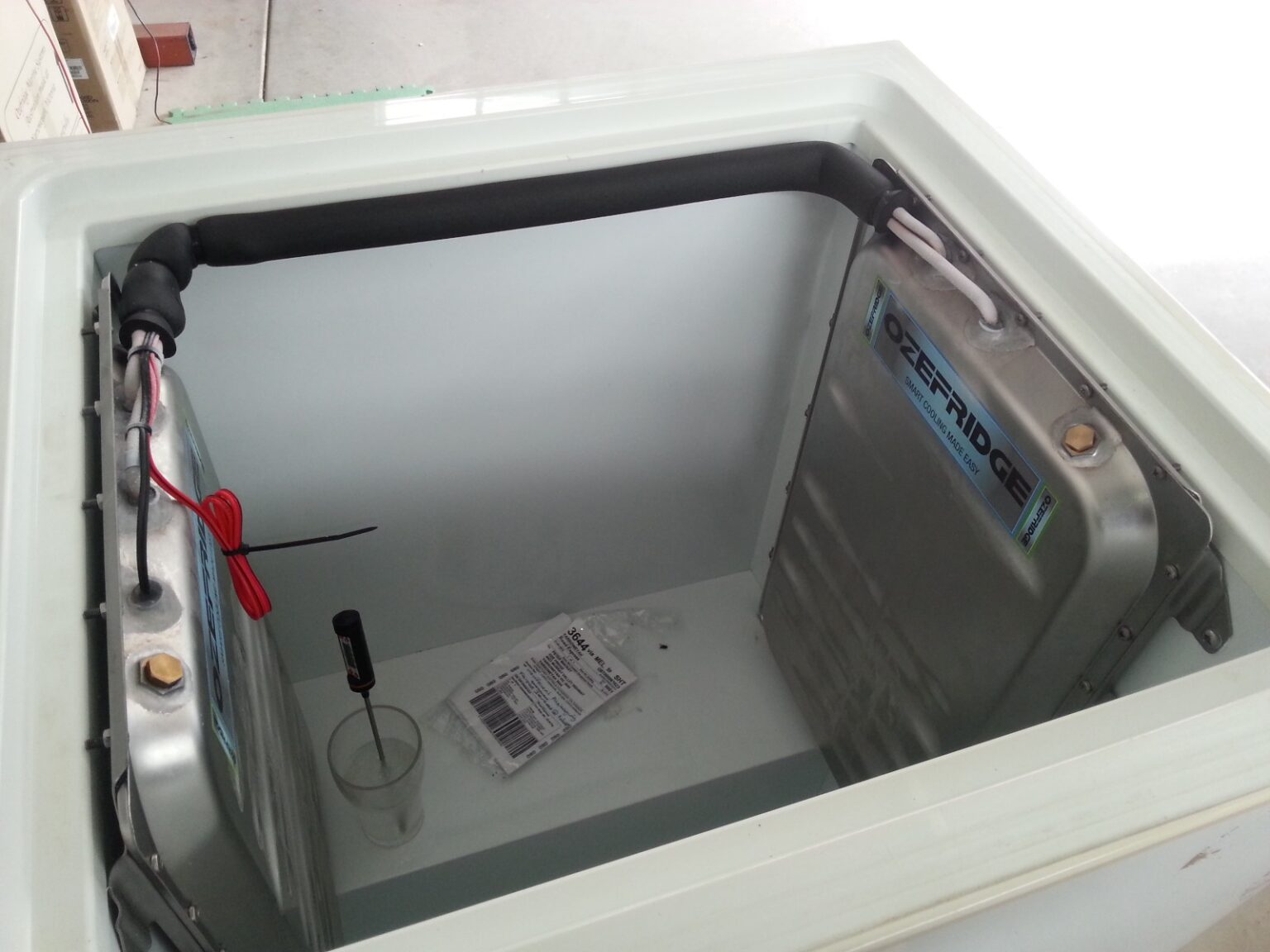
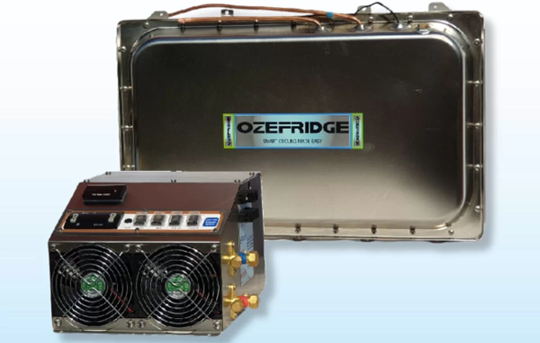
At its core, a boat’s cooling system is a compact ecosystem of high-performance parts. A compressor circulates refrigerant through a cycle of high and low pressures, using a holding plate in the box to remove heat from your food.
In many premium setups, this cold is stored in a eutectic holding plate, which acts like a thermal battery to reduce compressor runtime. Understanding the fundamentals of marine refrigeration systems helps you manage your energy budget more effectively while maintaining consistent internal temperatures.
Why Marine Engineering Wins at Sea
Marine-grade systems are built to thrive on DC battery power and often use water cooling to dissipate heat more effectively than air alone. This design ensures that even in tropical climates or cramped engine compartments, your system stays efficient.
By regularly inspecting condensers and monitoring refrigerant levels, you protect the delicate balance between cooling performance and power consumption, ensuring reliable service for years of cruising.
The Heart of the Marine Refrigerator: The Marine Compressor
If the refrigeration system is the heartbeat of your galley, the compressor is the muscle. On a boat, this component doesn’t have the luxury of a steady power grid. It must be rugged enough to handle constant vibration and efficient enough to run off a modest battery bank that is topped off by solar power.
It is the driving force that transforms electrical energy into a steady chill, ensuring your provisions stay fresh even when the tropical sun beats down on the deck.
The Cycle of Compression
The compressor acts as a high-pressure pump, circulating refrigerant through a continuous loop. The primary function of a compressor in a marine refrigeration system is to pull in low-pressure gas that has absorbed heat and squeeze it into a high-pressure state. This step is vital because it allows the gas to shed heat effectively once it reaches the condenser.
- Intake: Low-pressure vapor is pulled from the evaporator holding plate.
- Compression: The gas is pressurized, rapidly increasing its temperature.
- Discharge: Hot gas is pushed toward the condenser to release heat through the radiator.
Efficiency and Troubleshooting
A high-performance unit is built for more than just cooling; it’s designed to survive. Many modern setups are optimized for the way a compressor operates in marine refrigeration systems, using variable speed to match your refrigeration load.
If you notice excessive power draw or unusual vibrations, it’s often a sign of restricted airflow or dirty condenser radiator coils. Keeping the area around your compressor clean and well-ventilated is the simplest way to ensure years of reliable offshore service.
The Core of Cabin Comfort: The AC Compressor
While we often focus on the fridge, the marine air conditioning compressor is the unsung hero of onboard climate control. It operates on the same fundamental principles as your refrigeration unit but is scaled for the heavy-duty task of stripping heat from your entire cabin.
To truly appreciate why these units survive the harshest saltwater environments, one must look at the specialized engineering inside your marine air-conditioning compressor, where high-precision pistons and scroll mechanisms operate in total isolation from the humid, salty air.
Precision Engineering for the Open Sea
Adding gas to a system without a diagnosis is a temporary fix that can lead to permanent damage. Overcharging a marine unit increases operating pressure and compressor temperature, which spikes your energy consumption. When a leak is confirmed, knowing how to properly charge refrigerant in a boat’s refrigeration system is vital. It involves a rigorous process of recovering old gas, removing moisture, and recharging to the precise weight.
Critical Internal Components
- The Motor: The powerhouse driving the refrigerant through your coils.
- Scroll or Piston Mechanism: These compress the gas, spike the pressure, and initiate the heat-transfer cycle.
- Oil Management: A specialized system that keeps moving parts frictionless despite constant engine vibrations.
Synergy Between Systems
To keep this hardware running at peak performance, prioritizing airflow is essential.
By ensuring your sea-strainers are clear for water-cooled units or that cabinet vents are unobstructed for air-cooled models, you significantly reduce the mechanical strain on the motor. This simple habit preserves your power bank and extends the life of your cooling system for years of comfortable cruising.
Maintaining the Charge: More Than Just Topping Off
For the off-grid cruiser, a fridge that can’t keep its temperature is a threat to your autonomy at sea. However, one of the biggest misconceptions in boat maintenance is that refrigerant is a consumable that simply “runs out.” In reality, these are closed-loop systems. If your cooling capacity has dropped, you likely have a leak or a mechanical bottleneck rather than a routine need for a refill.
The Precision of Refrigerant Management
Adding gas to a system without a diagnosis is a temporary fix that can lead to permanent damage. Overcharging a marine unit increases operating pressure and compressor temperature, which spikes your energy consumption.
When a leak is confirmed, knowing how to charge refrigerant in a refrigeration system on a boat correctly is vital. A step-by-step guide to charging your marine refrigeration system involves a rigorous process of recovering old gas, removing moisture, and recharging to the precise weight. This ensures that no air or contaminants remain inside to cause internal corrosion.
Beyond the Refrigerant
Before reaching for the gauges, it’s worth investigating the external factors that mimic a low-charge scenario. In the tight confines of a boat, several common culprits can degrade performance:
- Fouled Heat Exchangers: Growth in your seawater cooling circuit.
- Voltage Drops: Corroded battery terminals are preventing the compressor from reaching full speed.
- Poor Ventilation: Heat trapped in the cabinetry forces the system to work twice as hard.
Optimizing these areas often restores cooling power without ever opening the refrigerant lines, preserving the integrity of your system for the long haul.
Early Detection: Identifying a Struggling Compressor
When your cooling performance begins to slip, the compressor is usually the first suspect. As the heart of the refrigeration cycle, any mechanical decline here ripples through your entire galley. For those living off-grid, catching these issues early doesn’t just save your steaks; it protects your battery bank from the massive energy drain of a struggling refrigeration compressor.
Red Flags of Mechanical Failure
The transition from a healthy hum to a failing unit is often subtle. Monitoring your system’s behavior during a typical day at anchor is the best way to spot how to identify a failing marine refrigerator compressor before it reaches a total breakdown.
Common Warning Signs:
- Excessive Run Times: If the compressor cycles almost constantly, it’s likely fighting internal wear or a loss of pumping efficiency.
- Acoustic Changes: Metallic clicking or a persistent buzz often signal marine refrigerator compressor problems like failing bearings or electrical overload protection.
- Heat Spikes: A compressor that is too hot to touch is often due to poor ventilation or internal friction.
Diagnostic Next Steps
Before condemning the hardware, verify that the symptoms aren’t being caused by external “chokepoints.” A fridge that isn’t cooling might simply be suffering from a voltage drop in a corroded wire or a blanket of dust on the condenser fins.
However, if your electrical supply is clean and your airflow is unobstructed, yet the unit still fails to maintain pressure, a professional evaluation is the most cost-effective path forward. Replacing a compromised unit early prevents the cascading stress that failing compressors place on your inverters and house batteries.
Securing Your Off-Grid Cooling Performance
Reliable marine refrigeration results from balancing high-performance hardware with proactive maintenance. From understanding the internal mechanics of your compressor to ensuring your refrigerant charge is precise, every adjustment you make protects your battery bank and extends the life of your equipment. By recognizing early warning signs like increased run times or unusual vibrations, you can address minor issues before they lead to a total system failure in a remote anchorage.
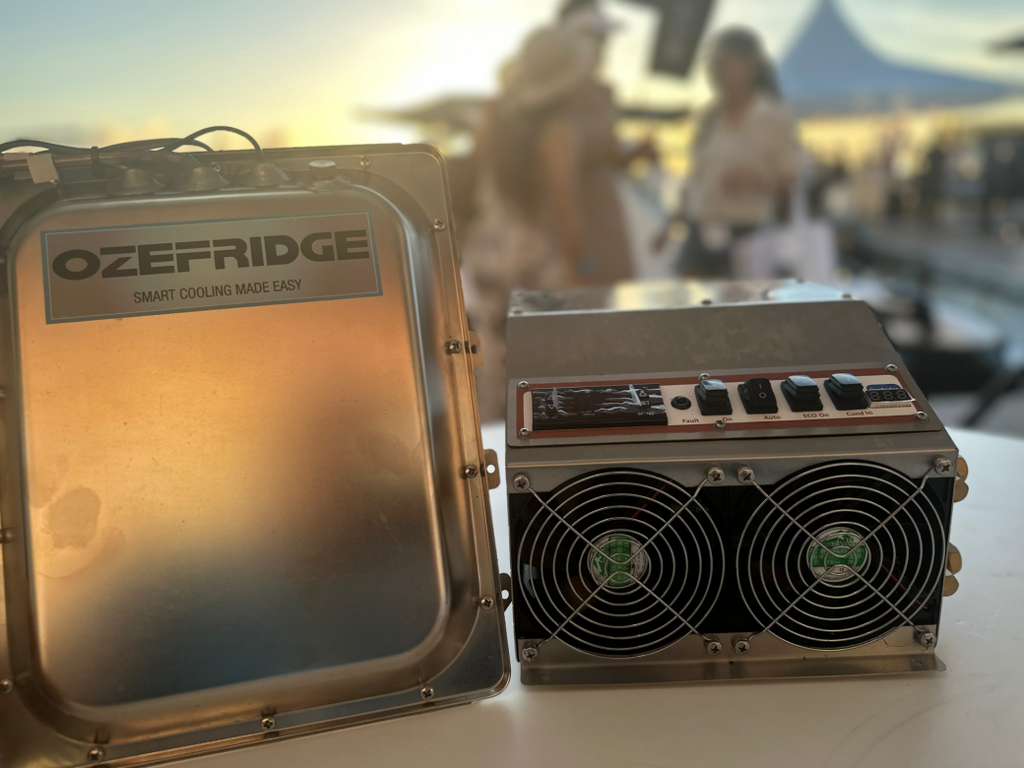
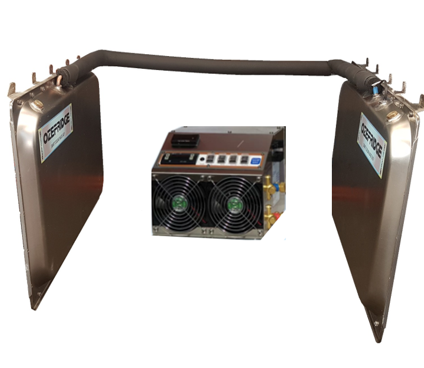
If your current setup is struggling to maintain the desired temperature or drawing more power than your solar system can provide, it may be time for a professional upgrade. We offer precision-engineered OzeFridge systems and expert diagnostic support to keep your galley efficient and your provisions fresh. Reach out to our team for a personalized consultation on your vessel’s cooling needs.


